How Much Does A Fibreglass Pool Cost?
Installing a fibreglass pool is a big decision, and generally, one of the first things people ask when considering a pool for their home is how much it will cost.
The initial setup cost is not the only thing homeowners should consider; they should also consider the ongoing costs of maintaining their pool, and which option will be the most cost-effective long term.

Key Takeaways
- Fibreglass pool projects generally fall into entry-level, mid-range, or premium budget tiers depending on the pool design, site conditions, and installation requirements.
- The total cost of a fibreglass pool is influenced by factors such as soil type, site access, crane requirements, council regulations, engineering needs, pool size, and optional upgrades.
- Professional installation is essential to help ensure the pool is installed correctly, complies with local requirements, and is covered by warranty.
- Fibreglass pools are typically quicker to install than concrete pools, which can help reduce labour time and get your pool ready sooner.
- Compared with concrete and vinyl-liner pools, fibreglass pools are generally more cost-effective to maintain over the long term due to their smooth, non-porous surface and lower chemical and cleaning requirements.
- For an accurate pool quote, the best approach is to arrange an on-site assessment with a licensed pool builder who can evaluate your property, design preferences, and installation needs.
How Much Is It For An Inground Pool?
When it comes to purchasing a pool, there are a few options available on the market, including fibreglass, concrete and vinyl-liner pools. Understandably, there are many variables affecting the total cost of your new pool, such as the shape, design and layout that you choose, as well as any extra add-ons.
How Much Does A Fibreglass Pool Cost?
The cost of a fibreglass pool project generally falls into three budget tiers:
- Entry-Level Pools are suited to straightforward sites with standard features and smaller sizes.
- Mid-Range Pools include larger designs, additional features like heating or lighting, and may require moderate site preparation.
- Premium Pools are for complex sites or highly customised designs, including steep blocks, restricted access, advanced automation, or extensive landscaping.
Ultimately, the final cost can be substantially lower or higher depending on your pool’s design and the installation requirements. An on-site assessment with a licensed pool builder is the best way to determine the tier your project falls into.
Factors That Contribute To The Cost Of Your Pool
Understanding the key cost variables of pool installations can help you plan effectively and avoid surprises.
Here are the main categories that influence pool installation costs:
Soil Type and Ground Conditions
The type and condition of your soil can significantly affect excavation and site preparation. Clay, sand, rock, or reactive soils may require additional excavation, soil removal, or ground improvement.
Site Access
How easy it is to get equipment and materials to your backyard can influence labour and installation methods. Restricted access may require smaller machinery or more manual handling, while tight access can extend installation time and increase labour requirements.
Crane Requirements
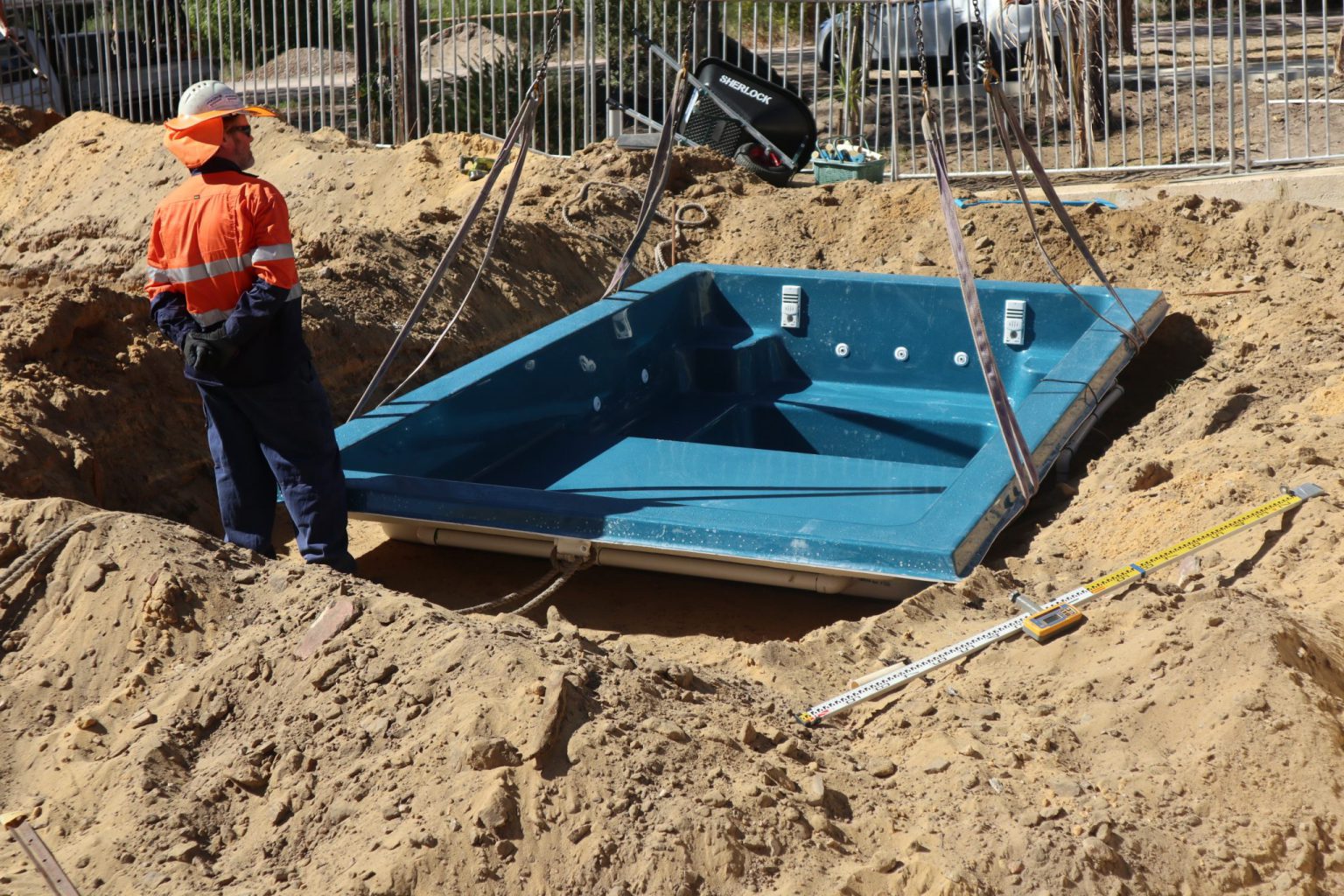
Most fibreglass pools are delivered as a single shell and lifted into place, which may require a crane. The cost of crane hire depends on the size, reach, lift duration, site setup, and any road closures or permits needed.
Traffic Control and Local Regulations
Deliveries and installations in busy or built-up areas may require traffic management, which can increase costs. In addition, local council approvals, inspections, and compliance requirements differ depending on location and zoning, potentially affecting both timeline and budget.
Pool Size, Shape, and Design
The size, shape, and overall design of your pool influence excavation, materials, and finishing requirements. Larger or irregularly shaped pools may require more materials, labour, and time.
Accessories, Upgrades, and Equipment
Optional features and equipment (Heating systems, automation, lighting, water features, covers, upgraded filtration) can enhance your pool experience but also affect the total cost.
Location and Regional Factors
Where you live can influence costs due to logistics and labour availability. Freight, travel time for crews, regional material prices, and accommodation (if applicable) can vary by location.
Engineering and Site-Specific Considerations
Some sites require customised solutions to account for unique property features. Sloping blocks, retaining walls, proximity to buildings or boundaries, easements, or underground services may require additional engineering or materials.
Why professional Installation matters
When installing a fibreglass pool at your home, it’s important to engage a licensed pool builder to both supply and install the pool. This helps ensure your pool is correctly installed and fully covered by warranty.
At Barrier Reef Pools, we offer a lifetime structural warranty on our fibreglass pools, compared to concrete pools, which typically offer a structural warranty of around seven years at best. Barrier Reef Pools is also the only pool company in Australia to hold the 5 Tick Certified Product Standard.
While DIY fibreglass pool kits may seem appealing, it’s important to consider the potential risks and unforeseen costs that can arise without professional installation.
A pool is a significant investment in your home, so it makes sense to choose the highest quality option you can afford. Doing so not only supports long-term durability but can also help reduce ongoing maintenance and running costs. It’s also wise to ensure all warranties are provided in writing, so you’re properly protected should anything unexpected occur.
One Of The Many Positives To Installing A Fibreglass pool Is How Quick They Are To Install
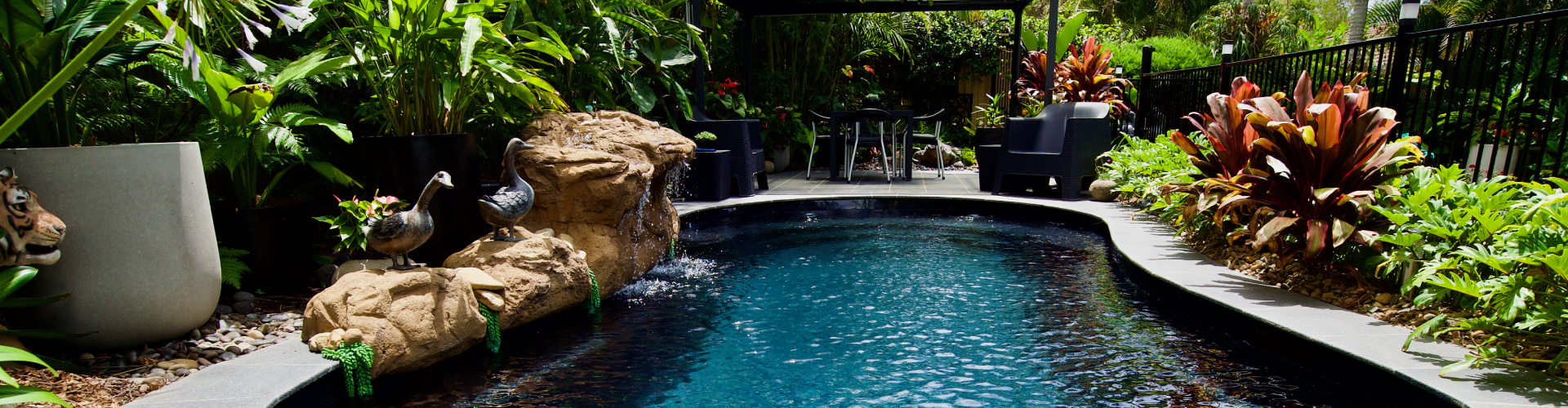
Another thing to consider when building a pool is how long it is going to take to install. Put simply, the longer it takes to install, the more expensive it is. The great thing about a fibreglass pool is how quickly they are to put in. A fibreglass pool can take as little as a week to install, whereas concrete pools can take upwards of 6 months.
What Are The Ongoing Costs Of Having A Pool?
The amount of money and time you spend on the upkeep depends heavily on the type of pool you install.
Here are some factors affecting the cost of maintaining your pool:
- The system you choose to clean your pool, whether that’s manually yourself or with one of our cleaners, such as our self-cleaning systems
- Whether you choose chlorine or saltwater for your pool, and the cost of the salt or chemicals that you use to sanitise your pool
- The type of pump and filter you choose to filter your pool water
- Maintaining added features, such as water features and heating systems
- Maintaining the pool’s interior surface with aesthetic maintenance
What Are Some Of The Ongoing Costs Of A Concrete Pool?
If you’re looking for a pool that is easy to maintain and costs the least to run, a fibreglass pool is the frontrunner. Once installed, it requires little effort to keep it looking fabulous year-round. Fibreglass pools are virtually non-porous and smooth, unlike their concrete pool counterpart, which are susceptible to algae and require more chemical and water filtering. These factors all equal more money spent on electricity and chemicals.
Some Last Things To Consider When Comparing Pool Prices
Ultimately, choosing the right pool comes down to the homeowner and their personal preferences. If you decide to add a pool to your home, it is important to ensure that the one you select is a sound investment and will appeal to future buyers rather than deter them if you ever choose to sell your property.
Fibreglass pools are among the easiest to maintain, and features such as our self-cleaning system make upkeep virtually hands-free. Unlike concrete and vinyl pools, our fibreglass pools come with a lifetime structural warranty, giving you added peace of mind.
It makes sense to choose a pool that is not only cost-effective and easy to maintain, but also attractive to prospective buyers should you decide to sell your home in the future.
Start Planning Your Pool Today!
Curious about what your ideal pool will cost? Speak with our team and arrange an obligation-free onsite consultation. We’ll help you explore options, design ideas, and everything you need to make the right choice for your home.
Frequently Asked Questions
What is included in a pool quote?
A comprehensive pool quote typically covers excavation, pool installation, plumbing, electrical work, equipment, and compliance with local regulations. It should clearly outline what is included so you know exactly what your investment covers.
Why do quotes vary between homes or suburbs?
No two properties are the same. Factors such as soil type, slope, site access, council requirements, and distance to services all affect installation complexity. Location and regional logistics can also influence timelines and labour requirements.
How can I reduce installation costs?
You can manage costs by planning and making practical choices. For example, selecting a pool size that suits your space, improving site access, staging landscaping in phases, and choosing energy-efficient equipment can all help keep costs manageable.
How do optional features and upgrades affect cost?
Extras such as heating, automation, lighting, water features, and self-cleaning systems enhance your pool experience but will influence the overall investment.
Is a fibreglass pool more cost-effective to maintain long-term?
Generally, yes. Fibreglass pools are low maintenance due to their smooth, non-porous surfaces. They require fewer chemicals, shorter filtration cycles, and less manual cleaning than concrete or vinyl-liner pools, making them an efficient long-term choice.